
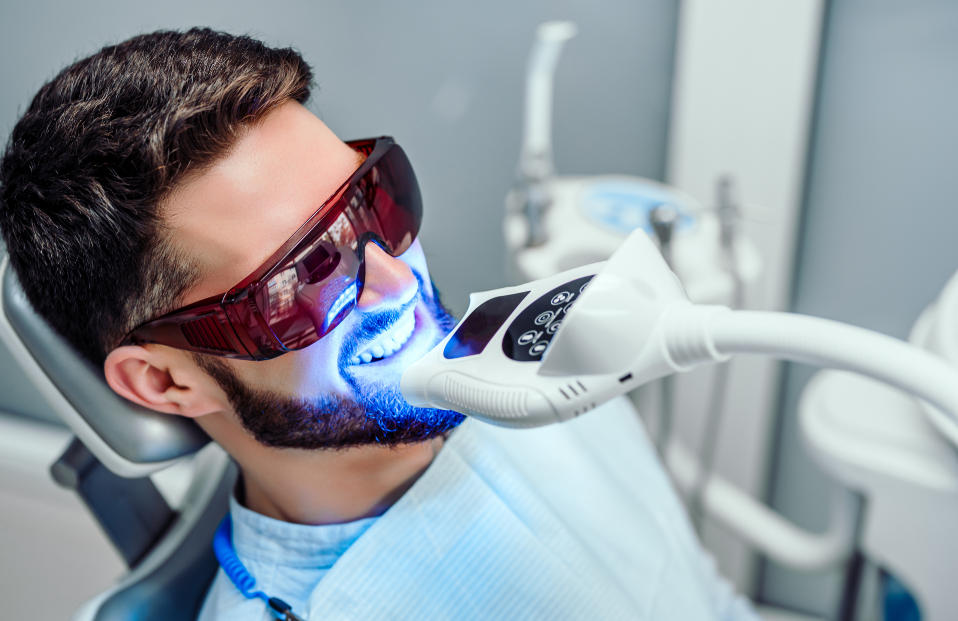
A bright, white smile is often associated with health, youth, and confidence. From whitening toothpastes to professional bleaching treatments, many people focus on achieving a dazzling smile. While whiter teeth can enhance appearance, color alone doesn’t tell the full story of your oral health. Teeth can look beautifully white on the surface while underlying issues remain undetected.
Understanding the difference between cosmetic appearance and true dental health can help you make better decisions for your smile.
Tooth Color Is Only One Piece of the Puzzle
Tooth color varies naturally from person to person. Genetics, enamel thickness, and dentin shade all influence how white or yellow teeth appear. Some individuals naturally have slightly off-white or ivory-colored teeth that are perfectly healthy.
Enamel, the outer layer of the tooth, is translucent. Beneath it lies dentin, which has a naturally yellow tone. If enamel is thinner, more dentin shows through, creating a warmer hue. This doesn’t indicate poor hygiene or disease—it’s simply biology at work.
Conversely, teeth can appear very white due to cosmetic treatments while underlying concerns such as decay or gum disease remain present.
Cosmetic Whitening vs. Oral Health
Teeth whitening treatments remove surface stains caused by foods, beverages, and lifestyle habits like smoking. While these treatments can brighten your smile, they do not strengthen enamel, prevent cavities, or treat gum disease.
It’s possible to have sparkling white teeth and still experience issues such as plaque buildup, early decay, or inflammation of the gums. Whitening addresses appearance, not the biological health of your teeth and supporting structures.
True oral health involves strong enamel, healthy gums, proper bite alignment, and the absence of infection or decay—factors that aren’t visible through color alone.
Signs of Healthy Teeth Beyond Color
Healthy teeth and gums show several characteristics that go beyond shade. Gums should appear pink and firm, without swelling or bleeding. Teeth should feel smooth and free of persistent sensitivity or pain. Fresh breath and the ability to chew comfortably are also positive indicators.
Regular dental exams and professional cleanings help identify issues that may not be visible at home. Dentists can detect early signs of cavities, enamel erosion, gum disease, and even oral cancer—conditions that can exist regardless of how white your teeth appear.
The Risks of Over-Whitening
In the pursuit of a brighter smile, some people overuse whitening products or rely on abrasive toothpastes. Excessive whitening can lead to tooth sensitivity, enamel damage, and gum irritation.
Enamel does not regenerate once it is worn away. Protecting it with gentle care and professional guidance is essential. If you’re considering whitening treatments, consulting a dental professional ensures safe, effective results that won’t compromise your oral health.
Why Regular Dental Visits Still Matter
Even if your teeth look bright and healthy, routine dental visits are essential for maintaining true oral wellness. Professional cleanings remove hardened plaque that brushing alone can’t eliminate. Exams allow for early detection of problems before they become painful or costly to treat.
Preventive care helps preserve both the health and appearance of your smile. By combining good at-home habits with regular dental visits, you can enjoy teeth that are not only white but genuinely healthy.
A confident smile shines brightest when it’s supported by strong teeth and healthy gums.