
Gum Disease Treatment – Marion, OH
Treat Gum Disease and Enhance Your Oral Health
Have you developed sensitive, swollen, or bleeding gums when you brush or floss? These are all potential indicators of periodontal problems, which often start out small and don’t exhibit noticeable symptoms. However, the longer these concerns remain unaddressed, the more likely they are to progress to more advanced stages of gum disease, which can significantly affect your dental well-being.
Fortunately, Dr. Whittaker offers several options to treat gum disease and enhance your oral health. Continue reading to learn more about these services, and feel free to contact us to schedule an appointment.

Why Choose Green Valley Dental for Gum Disease Treatment?
- Member of the American Dental Association
- Multiple Treatment Options Offered
- Flexible Financing Available
What is Gum Disease?
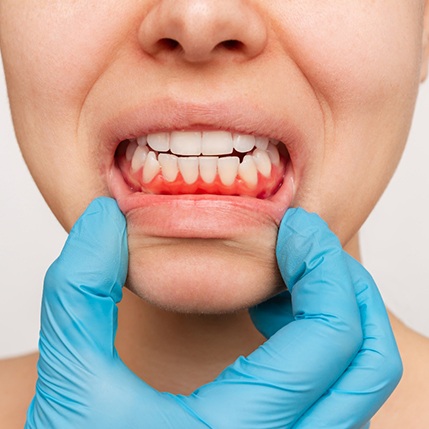
Would you be surprised to learn that CDC-supported data estimates that approximately 47.2%, or nearly 65 million, U.S. American adults who are 30 years or older suffer from some type of periodontal disease? This occurs when unhealthy bacteria in your mouth form plaque along your gumline, allowing them to penetrate your connective tissues. This triggers an infection that progressively worsens the longer they go untreated.
The earliest stage, gingivitis, can sometimes be halted and even reversed by flossing more frequently as part of a consistent twice-daily dental hygiene routine. But if the disease advances into periodontitis, the more advanced stage, it can often be managed but not completely cured.
Symptoms of Gum Disease
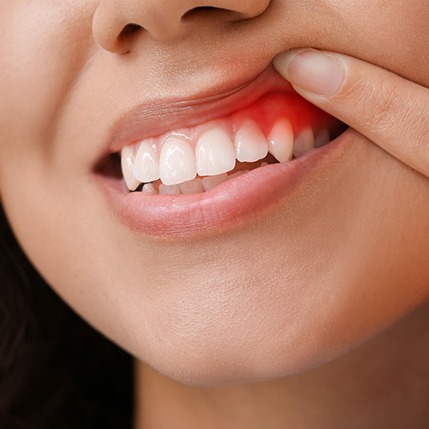
The different stages of periodontal disease present with slightly different symptoms, and understanding the various signs can help you recognize when you have a problem and need to seek treatment.
Potential indicators of gingivitis can include:
- Darker or red connective tissues
- Tenderness or increased sensitivity
- Chronic bad breath, or halitosis
- Bleeding or oozing when you brush and floss
- Early gum recession
You might have developed periodontitis if you notice the following symptoms:
- Increased sensitivity or aches, especially while chewing
- A change in bite alignment
- Ill-fitting restorations, such as dentures
- Loose adult teeth
- Loss of one or more permanent teeth
- More severe gum recession
How Do We Treat Gum Disease?
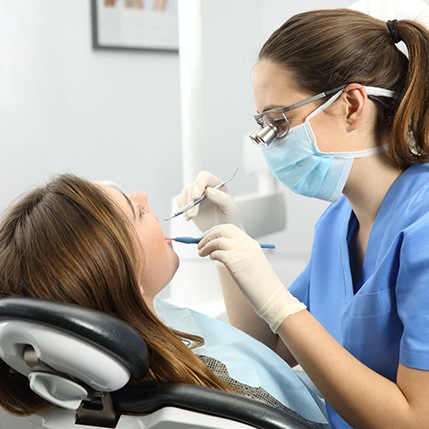
Dr. Whittaker offers several potential methods to help address gum disease and improve your dental health, but not every option is right for each patient. Before proceeding, you must schedule an examination and consultation so our team can provide a customized treatment plan to meet your unique needs.
A deep cleaning with scaling and root planning is the standard way to halt periodontal problems in their tracks, but our team offers several additional services, outlined in more detail below.
Scaling & Root Planing
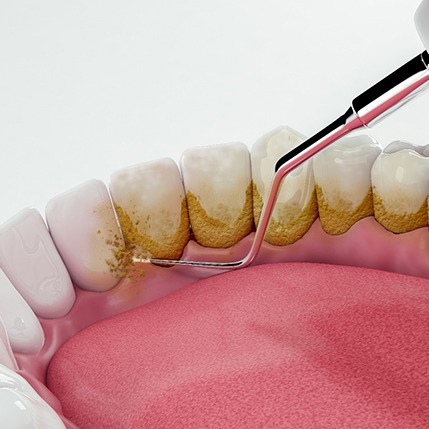
Scaling and root planing, also known as deep cleaning, is a periodontal treatment designed to eliminate infectious material from the teeth and gums and encourage the oral tissues to heal. This process can prevent a host of oral and overall health issues such as tooth loss and is typically completed over two appointments. Here’s a quick look at how this treatment works, the problems it can address, and who it can help from the friendly team at Green Valley Dental.
Do I Need Scaling & Root Planing?
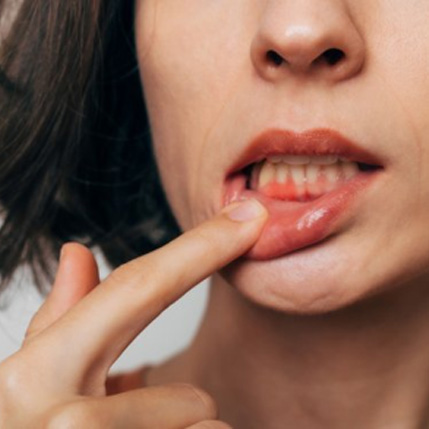
If caught in its early stage called gingivitis, gum disease can usually be reversed with improved oral hygiene habits. However, you may need scaling and root planing if you exhibit symptoms of an advanced gum infection such as:
- Persistent bad breath called halitosis
- Bleeding when brushing or flossing
- Gum recession
- Dental sensitivity due to exposed roots
- Swelling or puffiness of the gums
- Visible accumulations of plaque
However, the only way to know for sure if you need scaling and root planing is to consult with Dr. Whittaker so he can determine the severity of your oral infection and the best way to address it.
The Process of Scaling & Root Planing
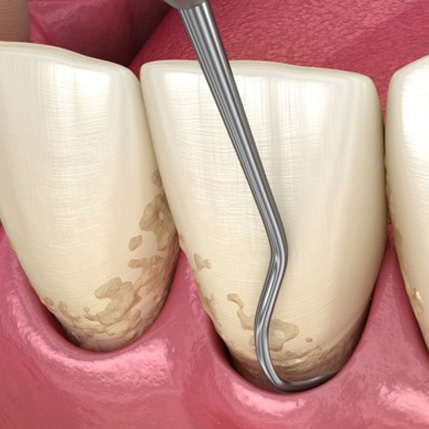
The scaling and root planing process usually requires two separate appointments that go something like this:
- First, our team will carefully clean your mouth using specialized dental instruments that can remove hardened bacterial deposits from your teeth and the pockets of your gums. This helps eliminate even the most stubborn and well-hidden plaque and bacteria causing the infection.
- Second, after your gums have recovered from the previous session, you’ll return to our office in Marion so we can carefully and gently smooth the roots of your teeth to prevent germs from gathering and encourage your soft tissues to reconnect with your enamel.
Aftercare Tips for Scaling & Root Planing
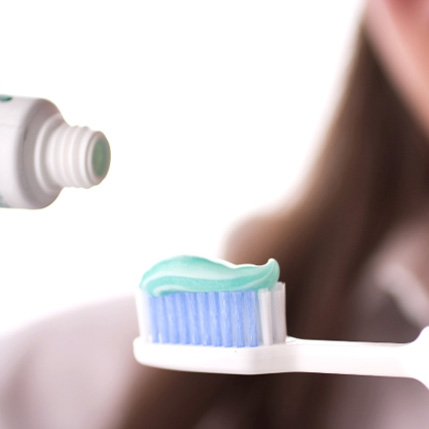
It can take up to several weeks for your gums and teeth to recover after scaling and root planing, and you may experience increased sensitivity and discomfort while healing. To keep your recovery process smooth and complication-free, we’ll provide you with detailed aftercare instructions that will probably include items like:
- Rinse your mouth with warm saltwater several times a day to loosen food debris, kill harmful bacteria, and ease inflammation.
- Be especially gentle when brushing and flossing after the treatment. Take care to brush your teeth using short circular strokes to prevent scratches and irritation.
- Avoid foods and beverages that are hot, spicy, acidic, chewy, crunchy, or sweet until you can enjoy them comfortably.
- Abstain from tobacco and alcohol use while recovering.
- Stick to a soft diet for at least 48 hours after treatment.
- Refrain from intense exercise for a few days after the procedure so your body can focus on healing.
Antibiotic Treatment

We can also prescribe antibiotics as a pill that you can swallow, which helps reduce harmful bacteria residing in your oral cavity. This is often offered in conjunction with other services, but can sometimes be helpful as a standalone treatment.
Laser Periodontal Treatment
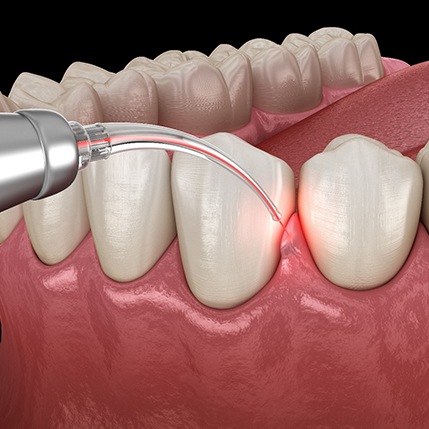
Our team is equipped with state-of-the-art lasers that can be used to kill harmful bacteria, remove diseased tissue, or reshape your gumline to improve your dental health. This method minimizes bleeding and, because it cauterizes the site, provides faster recovery times, as there is no need for a scalpel or sutures.
Chao Pinhole Technique
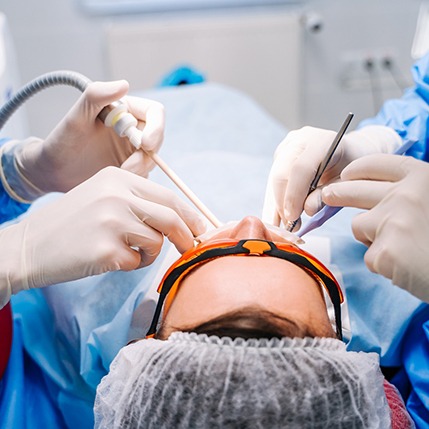
If your receding gums have left the roots of your teeth overly exposed, you’re prone to developing sensitivity, aches, decay, or injuries. This procedure involves creating tiny pinholes in your connective tissues, allowing them to stretch more easily so Dr. Whittaker can massage them and encourage them to reform over your roots to shield them.